
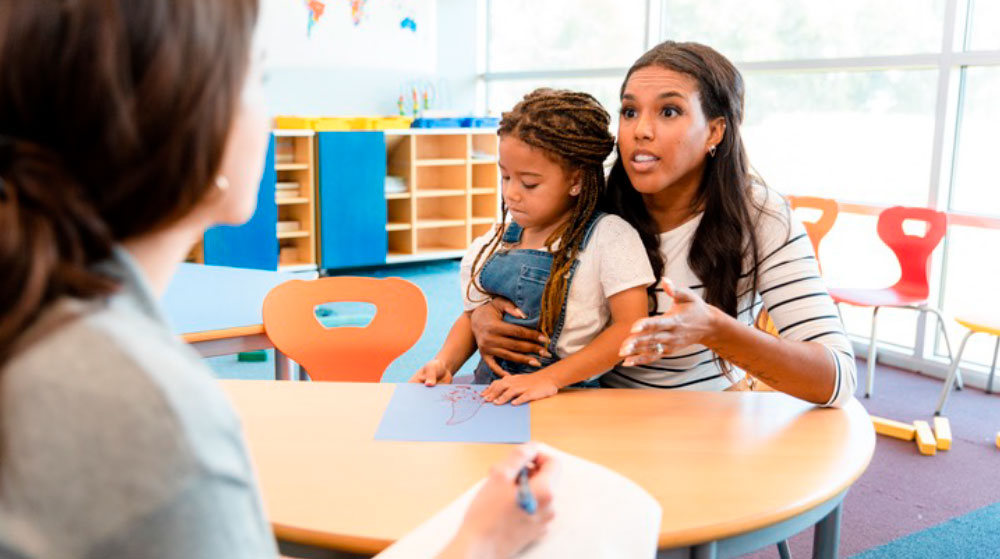
Parent-teacher conferences are a valuable opportunity to gain insights into your child’s academic progress, classroom behavior, and overall well-being at school. Asking the right questions can help you better support your child’s learning at home while building a strong partnership with their teacher. Here are five thoughtful questions to guide your next conference.
- How is my child doing academically compared to grade-level expectations?
This question helps you understand if your child is on track, excelling, or needs extra support. It also provides clarity on the specific skills or subjects where they may need more focus.
- What are my child’s strengths and areas for growth?
Teachers see students from a different perspective than parents do. Learning about your child’s academic, social, and emotional strengths—as well as areas that need improvement—can guide how you support them at home.
- How does my child interact with peers and participate in class?
School isn’t just about academics—it’s also about developing communication and collaboration skills. Asking about peer relationships and participation gives insight into your child’s social development and confidence.
- What resources or strategies can I use at home to support my child’s learning?
Teachers can recommend books, online tools, or activities to reinforce classroom learning at home. This shows you’re committed to helping your child succeed beyond school hours.
- How can we work together to support my child’s success?
Ending with this collaborative question emphasizes partnership. It opens the door to ongoing communication and ensures that both you and the teacher are aligned in helping your child grow.
Final Thoughts
Parent-teacher conferences are most effective when they spark dialogue. By asking these questions, you’ll gain meaningful insights and strengthen the school-home connection that helps your child thrive.