10 Strategies to Build a Positive Learning Environment at Home
Written by Laurie Robinson Haden | Parents Supporting Educational Excellence (PSEE)
A positive learning environment at home shapes how children see themselves as students. When the home feels calm, supportive, and encouraging, children are more willing to try hard things, recover from mistakes, and stay engaged in school. Families do not need expensive materials or complicated routines—small daily choices create an atmosphere where learning feels natural and valued.
- Make Learning Visible in Your Home
Hang student work on the fridge, post encouraging quotes, and keep books in baskets around the house. When children see learning materials regularly, they are reminded that education matters. - Designate a Few “Quiet Zones”
Choose one or two places in the home where noise stays low during homework or reading time. Even if space is limited, consistent quiet zones help children focus and feel respected. - Use Positive Language About School
Speak about school as a place of opportunity, not punishment. Phrases like “Let’s get ready for a strong school day” help children connect school with growth, not stress. - Involve Children in Setting Expectations
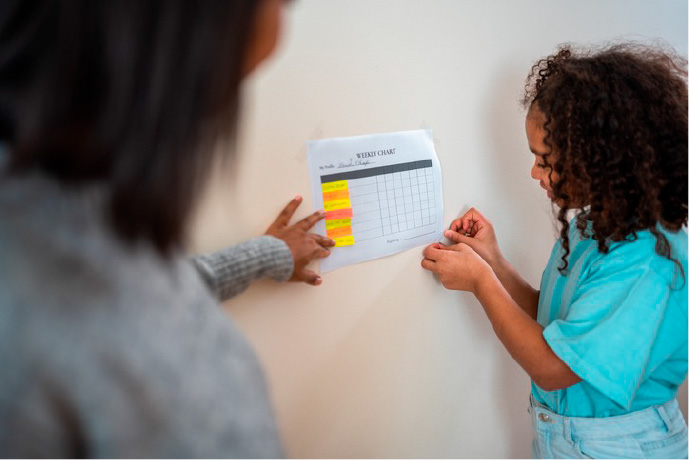
Ask your child what helps them focus and what gets in their way. Collaboratively create simple rules about noise, screens, and interruptions during learning time so they feel ownership. - Keep Basic Supplies Ready and Accessible
Store pencils, paper, crayons, scissors, and glue in one spot. Knowing where supplies are reduces frustration and prevents delays when it’s time to work. - Build in Short Movement Breaks
Children concentrate better when they can move. Quick stretches, jumping jacks, or hallway walks between tasks can reset energy and focus. - Offer Encouraging Feedback Instead of Criticism
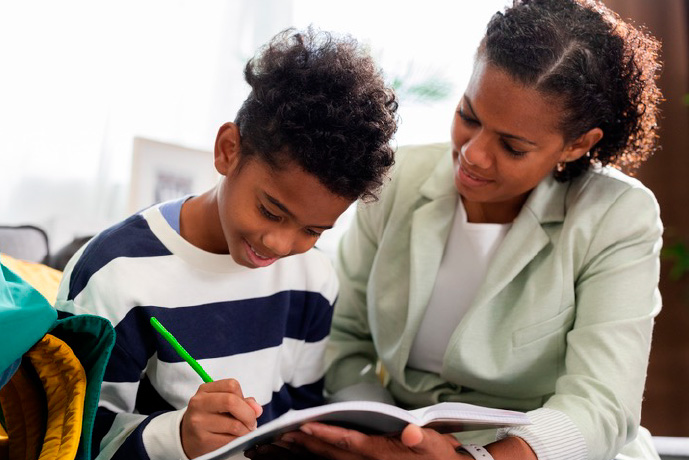
Notice effort and persistence before pointing out errors. Comments like “I see how hard you’re working” keep children motivated to stick with hard tasks. - Limit Negative Talk Around Learning
Avoid saying “I was never good at math” or “I hate reading.” Children often adopt these beliefs. Instead, model a willingness to improve, even as an adult. - Create Time for Family Learning Activities
Game nights, puzzles, cooking, and projects give children a chance to practice skills in a relaxed environment. These experiences show that learning can be fun and social. - Celebrate Progress Regularly
Review the week and highlight one thing your child did well—finishing a project, reading more pages, or staying focused longer. Small celebrations build big confidence.
Final Thought: A positive learning environment at home is less about perfection and more about intention. When families consistently show that learning is valued, supported, and celebrated, children feel safe to try, grow, and succeed.