

10 Practical Ways to Keep Kids Safe From Online Predators in the Age of AI
Online predators are not waiting for safeguards to catch up. They are already using AI, fake profiles, voice cloning, and chat features to access children—often posing as peers, coaches, or “helpful” adults. While platforms promise better protections, parents cannot afford to be passive. Real safety starts at home.

Essential Questions Parents Should Ask at the Start of the New Year to Ensure Academic Excellence
As the new calendar year begins, it is an ideal time for parents to connect with teachers and school administrators to help ensure their children have a successful and rewarding academic experience during the remainder of the school year.

10 Strategies to Support Healthy Sleep Habits for Students
Sleep is one of the most powerful tools for learning, yet it is often overlooked. When children are rested, they listen better, manage emotions more effectively, and remember what they learned. Families can protect sleep by establishing habits that send a clear message: rest is important.

10 Strategies to Help Children Build Social Skills and Healthy Peer Relationships
School is not just about academics—it is also where children learn how to interact with others, resolve conflicts, and build friendships. Families can guide children in developing social skills that support confidence, empathy, and successful relationships.

10 Strategies to Strengthen Writing Skills at Home
Writing is more than grammar and spelling—it is a tool for thinking, expressing ideas, and building a strong voice. Families can support writing development by making it meaningful, creative, and connected to real life.

10 Strategies to Help Children Build Math Confidence at Home
Many children learn early to say, “I’m just not good at math,” but confidence can be rebuilt with supportive practice and real-world experiences. Families can turn everyday moments into math opportunities that feel less like tests and more like discovery.
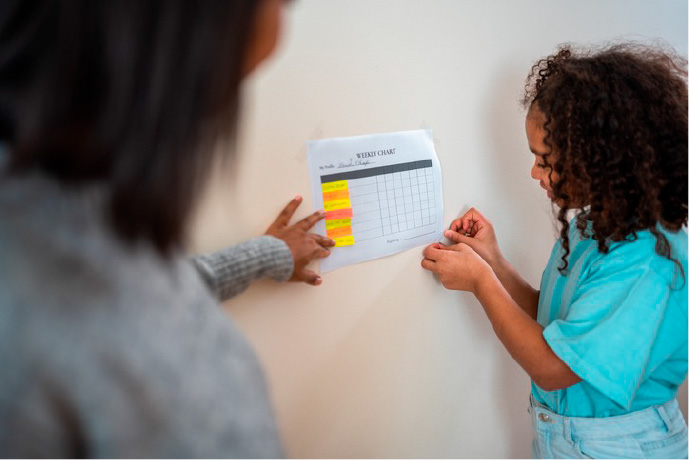
10 Strategies to Help Children Build Strong Organizational Skills
Organization is one of the hidden keys to academic success. When children know where their materials are, understand their deadlines, and can plan their time, they feel calmer and more in control. Families can help students build these skills step by step, even if organization does not come naturally at first.

10 Strategies to Build a Positive Learning Environment at Home
A positive learning environment at home shapes how children see themselves as students. When the home feels calm, supportive, and encouraging, children are more willing to try hard things, recover from mistakes, and stay engaged in school. Families do not need expensive materials or complicated routines—small daily choices create an atmosphere where learning feels natural and valued.

10 Strategies to Build Leadership and Confidence in Children
Leadership begins in childhood. With encouragement and opportunities, children build the confidence, communication, and problem-solving skills needed for their future. These 10 strategies support leadership development at home.

10 Strategies for At-Home Learning for Busy Families
Parents often juggle work, activities, and household responsibilities, but learning can still happen naturally throughout the day. These 10 strategies help families support learning with ease.
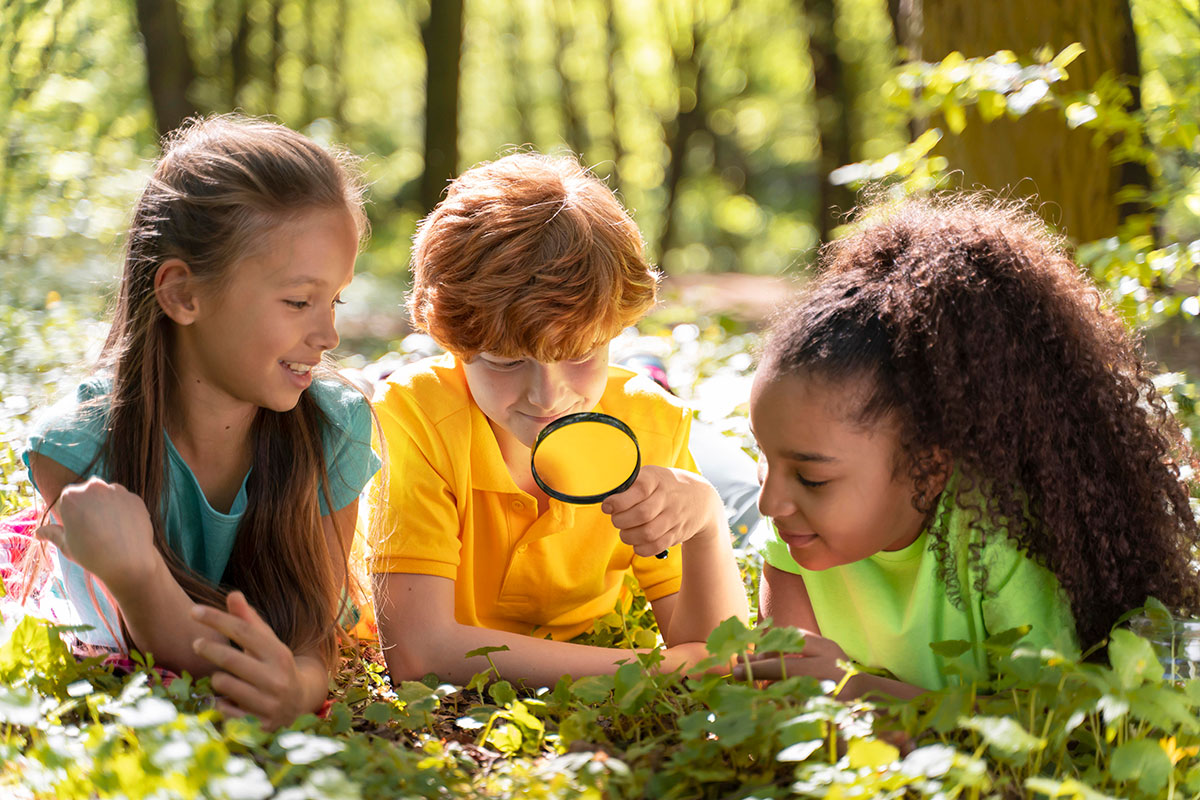
10 Strategies to Keep Kids Engaged During Breaks and Long Weekends
Breaks are the perfect opportunity to blend fun with learning. These 10 strategies keep children curious, active, and engaged while still enjoying time off from school.

10 Strategies to Support Your Child Emotionally During the School Year
Emotional well-being impacts academic success as much as study habits. These 10 strategies help families nurture resilience, confidence, and emotional balance.

10 Strategies for Balancing Screen Time While Keeping Kids Engaged
Technology is essential for learning, but balance is key to keeping children healthy, focused, and emotionally grounded. Here are 10 strategies to help families manage screen time effectively.
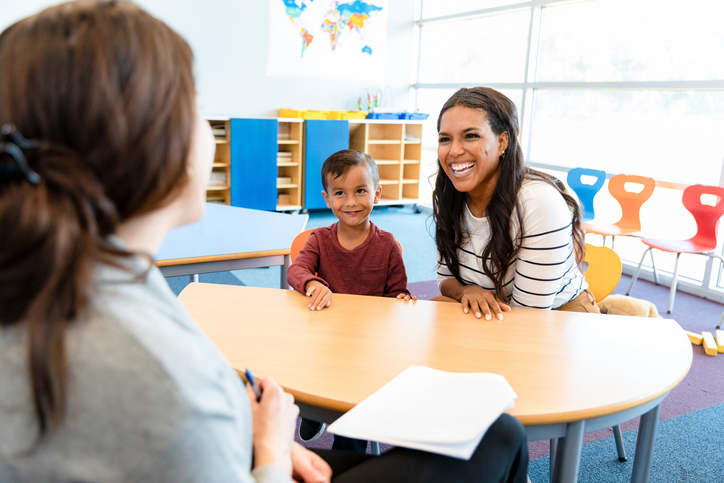
10 Strategies for Strengthening Parent–Teacher Communication
A strong parent–teacher partnership creates a powerful support system for students. These 10 strategies help families communicate effectively, proactively, and positively throughout the school year.

10 Strategies to Help Your Child Prepare for MCAP
MCAP can feel overwhelming, but preparation doesn’t need to be stressful.

10 Strategies for Supporting Reading Growth at Home
Reading boosts success in every subject, and families play a powerful role in helping children grow.

10 Strategies to Create a Homework Routine That Works for Every Family
Homework time doesn’t have to bring stress. When families create predictable routines, children develop independence, confidence, and strong study habits.

10 Strategies to Build Strong Attendance Habits at Home
Building strong attendance habits helps children stay connected, confident, and successful in school. Consistency at home, paired with positive reinforcement, ensures students start each day prepared to learn.